Mũi Phú Hảo, quê năm 2008 tại huyện An Biên, tỉnh An Giang, hiện có bộ sưu tập hơn 700 hiện vật chiến tranh thuộc các thời kỳ khác nhau. Từ mũ bảo hiểm, quân phục cho đến những đồ vật đã để lại dấu vết thời gian, theo ông, đây không chỉ là những di tích văn hóa mà còn mang những câu chuyện, dấu ấn của một thời đại.
Nói về kinh nghiệm sưu tầm di vật văn hóa chiến tranh, ông Mei Fuhao nhớ lại: “Năm 2017, khi đang học lớp 4 tiểu học, tôi được nghe rất nhiều câu chuyện về chiến tranh. Tôi đặc biệt tò mò về quân đội sử dụng những trang bị gì vào thời điểm đó, quân phục trông như thế nào và trang bị đó thay đổi như thế nào qua các thời kỳ. Từ đó, tôi bắt đầu tra cứu thông tin và bắt đầu sưu tầm các di vật văn hóa liên quan”.
Để có được bộ sưu tập hiện tại, ông Mei Fuhao đã dành nhiều thời gian tìm kiếm thông tin, đi nhiều nơi và thiết lập mối quan hệ với những người có chung sở thích. Hành trình sưu tầm này không hề thuận buồm xuôi gió khi nhiều di tích văn hóa đã bị thất lạc theo thời gian hoặc thiếu thông tin về nguồn gốc cũng như những câu chuyện đằng sau chúng. Tuy nhiên, tình yêu dành cho lịch sử đã khiến ông gắn bó với chính nghĩa trong nhiều năm.
Ngoài ra, anh còn tự học cách sửa chữa nhiều hiện vật chiến tranh bị hư hỏng như mũ bảo hiểm, quân phục và mô hình vũ khí. Một số di tích văn hóa được phục hồi đã được gửi đến các bảo tàng địa phương và nhà tưởng niệm các liệt sĩ để trưng bày.
Theo ông Mei Fuhao, việc bảo tồn các di tích văn hóa này còn lưu giữ ký ức lịch sử về những trận chiến đẫm máu và sự hy sinh anh dũng của tiền nhân chúng ta. Ông nói: “Tôi mong rằng khi giới trẻ đối mặt với những di tích văn hóa này, họ có thể coi chúng như một tấm gương phản ánh lịch sử. Những dấu vết thời gian lốm đốm trên các di tích văn hóa cũng nhắc nhở chúng ta rằng hòa bình khó có được, để giới trẻ trân trọng lịch sử hơn và nâng cao tinh thần trách nhiệm với đất nước”.
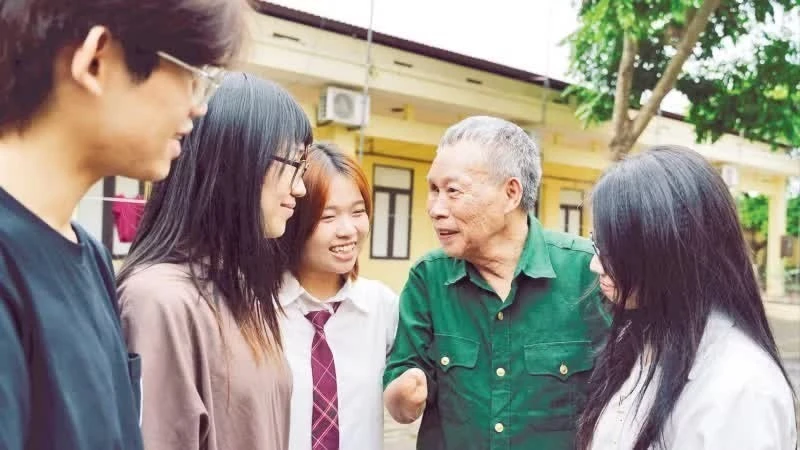
Ngoài việc bảo tồn những di tích lịch sử mang dấu ấn thời gian, nhiều bạn trẻ còn lựa chọn kể lại những câu chuyện quá khứ dưới góc nhìn của chính thế hệ mình. Dự án “Chuyện thời hòa bình” do nhóm sinh viên Trường Báo chí Tuyên truyền Việt Nam phát động là một ví dụ điển hình cho cách truyền đạt lịch sử sáng tạo này.
Thay vì tập trung vào việc tái hiện ký ức chiến tranh hay những điểm lịch sử quen thuộc, dự án này tập trung vào cuộc sống của những người lính thời hậu chiến, kể những câu chuyện về thời bình thông qua những trải nghiệm của họ.
Theo Wen Jiaqing, người phụ trách dự án “Những câu chuyện về kỷ nguyên hòa bình”, nhóm hy vọng sẽ kể được nhiều điều hơn ngoài những sự kiện lịch sử hay một chuỗi con số mà còn nhiều câu chuyện về những con người đã định hình nên lịch sử. Họ hy vọng rằng thông qua những mảnh ghép đời thường và đời thường này, thế hệ trẻ có thể hiểu và trân trọng hơn những giá trị quý báu được các bậc tiền bối bảo vệ và truyền lại.
Dự án chủ yếu tập trung vào ba phần nội dung chính. Chuyên mục “Kỷ nguyên hòa bình của tôi” kể về câu chuyện của những người cựu chiến binh tiếp tục cống hiến cho đất nước bằng nhiều cách và vị trí khác nhau trong thời bình. Chuyên mục “Vết sẹo thời gian” ghi lại những trải nghiệm cá nhân của các thương binh đang được chăm sóc tại Trung tâm Phục hồi chức năng Thương binh tỉnh Nghệ An và Trung tâm Phục hồi chức năng Thương binh Thuận Thành, tỉnh Bắc Ninh trong những năm chiến tranh.
此外,“同行者”栏目则刻画了医护人员日复一日照料伤残军人的身影,续写着和平年代感恩与奉献的故事。
Ngoài ra, chuyên mục “Người lữ hành” còn khắc họa hình ảnh các nhân viên y tế ngày ngày chăm sóc các thương binh, tiếp nối câu chuyện về lòng biết ơn và sự cống hiến trong thời bình.
Trong quá trình thực hiện dự án, các thành viên trong nhóm cũng phải đối mặt với nhiều thách thức. Ngoài việc thu thập lượng thông tin lớn và liên hệ với những người được phỏng vấn ở nhiều tỉnh, thành trên cả nước, họ còn tiếp tục tìm tòi những cách diễn đạt sáng tạo hơn để những câu chuyện lịch sử trở nên phù hợp hơn với khán giả trẻ. Vì vậy, nhóm không giới hạn ở các hình thức giao tiếp truyền thống mà bảo tồn và kể những câu chuyện này thông qua tài liệu kỹ thuật số, sách ảnh, triển lãm và các hoạt động trải nghiệm sống động. Với sự trợ giúp của những hình thức đổi mới này, những ký ức lịch sử tưởng chừng đã xa xôi lại có thể được tái hiện một cách sống động, công chúng cũng có thể hiểu được cuộc sống của những người lính thời hậu chiến dưới một góc nhìn mới.
Ngoài “Câu chuyện thời hòa bình”, nhiều dự án như “Thế hệ Z và lịch sử Việt Nam”, “Ngôi sao đội mũ”, “Cảm xúc yêu nước trong thời đại mới” cũng cho thấy thế hệ trẻ đang truyền bá lịch sử và phát huy tinh thần dân tộc theo hướng phù hợp hơn với xã hội hiện đại. Những nỗ lực này cho thấy lịch sử đang tiếp tục được lưu truyền và lan tỏa trong đời sống xã hội đương đại, thể hiện rõ hơn nữa lòng biết ơn của thế hệ trẻ đối với tổ tiên, lòng tự hào dân tộc và sự nhận thức sâu sắc về giá trị hòa bình. (qua)
to reach; to arrive; to leave for; to go to; to (a place); until (a time); up to (a point); (verb complement indicating arriving at a place or reaching a point); considerate; thoughtful; thorough
件HSK 2
[jiàn]
item; component; classifier for events, things, clothes etc
留下HSK 2
[liú xià]
to leave behind; to stay behind; to remain; to keep; not to let (sb) go
实物HSK 7
[shí wù]
material object; concrete object; original object; in kind; object for practical use; definite thing; reality; matter (physics)
谈HSK 3
[Tán]
surname Tan
结HSK 4
[jiē]
(of a plant) to produce (fruit or seeds); Taiwan pr. [jié]
回忆HSK 5
[huí yì]
to recall; memories
道HSK 2
[dào]
road; path; principle; truth; morality; reason; skill; method; Dao (of Daoism); to say; to speak; to talk; classifier for long thin things (rivers, cracks etc), barriers (walls, doors etc), questions (in an exam etc), commands, courses in a meal, steps in a process; (old) circuit (administrative division)
年HSK 1
[Nián]
surname Nian
小学HSK 1
[xiǎo xué]
elementary school; primary school
四HSK 1
[sì]
four; 4
年级HSK 2
[nián jí]
grade; year (in school, college etc)
听到HSK 1
[tīng dào]
to hear
很HSK 1
[hěn]
(adverb of degree); quite; very; awfully
关于HSK 4
[guān yú]
pertaining to; concerning; with regard to; about; a matter of
就HSK 1
[jiù]
(after a suppositional clause) in that case; then; (after a clause of action) as soon as; immediately after; (same as 是) merely; nothing else but; simply; just; precisely; exactly; only; as little as; as much as; as many as; to approach; to move towards; to undertake; to engage in; (often followed by 着) taking advantage of; (of food) to go with; with regard to; concerning; (pattern: 就 ... 也 ...) even if ... still ...; (pattern: 不 ... 就 ...) if not ... then must be ...
特别HSK 2
[tè bié]
unusual; special; very; especially; particularly; expressly; for a specific purpose; (often followed by 是) in particular
好奇HSK 3
[hào qí]
inquisitive; curious; inquisitiveness; curiosity
当时HSK 2
[dāng shí]
then; at that time; while
军队HSK 6
[jūn duì]
armed forces; troops
使用HSK 2
[shǐ yòng]
to use; to employ; to apply; to make use of
什么HSK 1
[shén me]
what?; something; anything
什么样HSK 2
[shén me yàng]
what kind?; what sort?
子HSK 1
[zǐ]
son; child; seed; egg; small thing; 1st earthly branch: 11 p.m.-1 a.m., midnight, 11th solar month (7th December to 5th January), year of the Rat; Viscount, fourth of five orders of nobility 位; ancient Chinese compass point: 0° (north); subsidiary; subordinate; sub-
各个HSK 4
[gè gè]
every; various; separately, one by one
装备HSK 6
[zhuāng bèi]
equipment; to equip; to outfit
有HSK 1
[yǒu]
to have; there is; (bound form) having; with; -ful; -ed; -al (as in 意 intentional)
哪些HSK 1
[nǎ xiē]
which ones?; who?; what?
变化HSK 3
[biàn huà]
(intransitive) to change; to vary; change; variation
那时HSK 2
[nà shí]
then; at that time; in those days
起HSK 1
[qǐ]
to rise; to raise; to get up; to set out; to start; to appear; to launch; to initiate (action); to draft; to establish; to get (from a depot or counter); verb suffix, to start; starting from (a time, place, price etc); classifier for occurrences or unpredictable events: case, instance; classifier for groups: batch, group
便HSK 6
[biàn]
plain; informal; suitable; convenient; opportune; to urinate or defecate; equivalent to 就: then; in that case; even if; soon afterwards
开始HSK 3
[kāi shǐ]
to begin; beginning; to start; initial
查HSK 2
[Zhā]
surname Zha
着手HSK 7
[zhuó shǒu]
to put one's hand to it; to start out on a task; to set out
为了HSK 3
[wèi le]
for; for the purpose of; in order to
如今HSK 4
[rú jīn]
nowadays; now
投入HSK 4
[tóu rù]
to throw into; to put into; to throw oneself into; to participate in; to invest in; absorbed; engrossed
时间HSK 1
[shí jiān]
time; period
查找HSK 7
[chá zhǎo]
to search for; to look up
走HSK 1
[zǒu]
to walk; to go; to run; to move (of vehicle); to visit; to leave; to go away; to die (euph.); from; through; away (in compound verbs, such as 走); to change (shape, form, meaning)
各地HSK 3
[gè dì]
in all parts of (a country); various regions
拥有HSK 5
[yōng yǒu]
to have; to possess
共同HSK 3
[gòng tóng]
common; joint; jointly; together; collaborative
爱好HSK 1
[ài hào]
to like; to be fond of; to take pleasure in; to be keen on; interest; hobby
建立HSK 3
[jiàn lì]
to establish; to set up; to found
段HSK 2
[Duàn]
surname Duan
收藏HSK 6
[shōu cáng]
to collect (works of art, dolls, antiques etc); to put away for safekeeping; (Internet) to bookmark; a collection
路HSK 1
[Lù]
surname Lu
并非HSK 7
[bìng fēi]
really isn't
一帆风顺HSK 7
[yī fān fēng shùn]
propitious wind throughout the journey (idiom); plain sailing; to go smoothly; have a nice trip!
因为HSK 2
[yīn wèi]
because; owing to; on account of
早已HSK 3
[zǎo yǐ]
for a long time; long since; (dialect) in the past
随着HSK 5
[suí zhe]
along with; in the wake of; following
流失HSK 7
[liú shī]
(of soil etc) to wash away; to be eroded; (fig.) (of talented staff, followers of a religious faith, investment funds etc) to go elsewhere; to fail to be retained
缺乏HSK 5
[quē fá]
to lack; to be short of
来源HSK 4
[lái yuán]
source (of information etc); origin
及其HSK 7
[jí qí]
(conjunction linking two nouns) and its ...; and their ...; and his ...; and her ...
背后HSK 3
[bèi hòu]
behind; at the back; in the rear; behind sb's back
相关HSK 3
[xiāng guān]
related; relevant; pertinent; to be interrelated; (statistics) correlation
信息HSK 2
[xìn xī]
information; news; message
然而HSK 4
[rán ér]
however; yet; but
凭借HSK 7
[píng jiè]
to rely on; to depend on; by means of; thanks to; sth that one relies on
热爱HSK 3
[rè ài]
to love ardently; to adore
多年来HSK 7
[duō nián lái]
for the past many years
始终HSK 3
[shǐ zhōng]
from beginning to end; all along
坚持HSK 3
[jiān chí]
to persevere with; to persist in; to insist on
项HSK 4
[Xiàng]
surname Xiang
事业HSK 3
[shì yè]
undertaking; project; activity; (charitable, political or revolutionary) cause; publicly funded institution, enterprise or foundation; career; occupation
自学HSK 6
[zì xué]
self-study; to study on one's own
许多HSK 2
[xǔ duō]
many; a lot of; much
损HSK 7
[sǔn]
to decrease; to lose; to damage; to harm; (coll.) to ridicule; to deride; (coll.) caustic; sarcastic; nasty; mean; one of the 64 hexagrams of the Book of Changes: ䷨
如HSK 6
[rú]
as; as if; such as
钢HSK 7
[gāng]
steel
装HSK 2
[zhuāng]
adornment; to adorn; dress; clothing; costume (of an actor in a play); to play a role; to pretend; to install; to fix; to wrap (sth in a bag); to load; to pack
武器HSK 3
[wǔ qì]
weapon; arms
模型HSK 4
[mó xíng]
model; mold; matrix; pattern
部分HSK 2
[bù fen]
part; share; section; piece
修复HSK 5
[xiū fù]
to restore; to renovate; (computing) to repair (a corrupted file etc)
已HSK 3
[yǐ]
already; to stop; then; afterwards
被HSK 3
[bèi]
quilt; to cover (with); (literary) to suffer (a misfortune); used to indicate passive voice (placed before the doer of the action like "by" in English passive-voice sentences, or, if the doer is not mentioned, before the verb); (since c. 2009) (sarcastic or jocular) used to indicate that the following word should be regarded as being in air quotes (as in 被旅游 to "go on a trip", for example)
送HSK 1
[sòng]
to send; to deliver; to transmit; to give (as a present); to see (sb) off; to accompany; to go along with
往HSK 2
[wǎng]
to go (in a direction); to; towards; (of a train) bound for; past; previous
当地HSK 3
[dāng dì]
local
博物馆HSK 5
[bó wù guǎn]
museum
烈士HSK 7
[liè shì]
martyr
纪念馆HSK 7
[jì niàn guǎn]
memorial hall; commemorative museum
展出HSK 7
[zhǎn chū]
to put on display; to be on show; to exhibit
富豪HSK 7
[fù háo]
rich and powerful person
先生HSK 1
[xiān sheng]
teacher; gentleman; sir; mister (Mr.); husband; (dialect) doctor
看来HSK 4
[kàn lai]
apparently; it seems that
血HSK 3
[xuè]
blood; colloquial pr. [xiě]
英勇HSK 4
[yīng yǒng]
heroic; gallant; valiant
牺牲HSK 6
[xī shēng]
to sacrifice one's life; to sacrifice (sth valued); beast slaughtered as a sacrifice
他HSK 1
[tā]
he; him (used for either sex when the sex is unknown or unimportant); (used before sb's name for emphasis); (used as a meaningless mock object); (literary) other
说HSK 1
[shuì]
to persuade
面对HSK 3
[miàn duì]
to face; to confront
时HSK 3
[shí]
old variant of 时
能够HSK 2
[néng gòu]
to be capable of; to be able to; can
把HSK 3
[bǎ]
to hold; to grasp; to hold a baby in position to help it urinate or defecate; handlebar; classifier: handful, bundle, bunch; classifier for things with handles; (used to put the object before the verb: 把 + {noun} + {verb})
它们HSK 2
[tā men]
they (for inanimate objects)
当作HSK 6
[dàng zuò]
to treat as; to regard as
一面HSK 7
[yī miàn]
one side; one aspect; simultaneously... (and...); one's whole face
映HSK 7
[yìng]
to reflect (light); to shine; to project (an image onto a screen etc)
镜子HSK 4
[jìng zi]
mirror
痕迹HSK 7
[hén jì]
vestige; mark; trace
提醒HSK 4
[tí xǐng]
to remind; to call attention to; to warn of
我们HSK 1
[wǒ men]
we; us; ourselves; our
来HSK 1
[lái]
to come; (used as a substitute for a more specific verb); hither (directional complement for motion toward the speaker, as in 回来); ever since (as in 自古以来); for the past (amount of time); (prefix) the coming ...; the next ... (as in 来世); (between two verbs) in order to; (after a round number) approximately; (used after 得 to indicate possibility, as in 谈得来, or after 不 to indicate impossibility, as in 吃不来)
不易HSK 5
[bù yì]
not easy to do sth; difficult; unchanging
从而HSK 5
[cóng ér]
thus; thereby
珍惜HSK 5
[zhēn xī]
to treasure; to value; to cherish
增强HSK 5
[zēng qiáng]
to increase; to strengthen
责任感HSK 7
[zé rèn gǎn]
sense of responsibility
承载HSK 7
[chéng zài]
to bear the weight; to sustain
印HSK 6
[Yìn]
surname Yin; abbr. for 度
记HSK 1
[jì]
to record; to note; to memorize; to remember; mark; sign; classifier for blows, kicks, shots
文物HSK 7
[wén wù]
cultural relic; historical relic
选择HSK 4
[xuǎn zé]
to select; to pick; choice; option; alternative
属于HSK 3
[shǔ yú]
to be classified as; to belong to; to be part of
自己HSK 2
[zì jǐ]
oneself; one's own
人HSK 1
[rén]
person; people
重新HSK 2
[chóng xīn]
again; once more; re-
过去HSK 2
[guò qù]
(in the) past; former; previous; to go over; to pass by
新闻HSK 2
[xīn wén]
news
宣传HSK 3
[xuān chuán]
to disseminate; to give publicity to; propaganda
学院HSK 1
[xué yuàn]
college; educational institute; school; faculty
学生HSK 1
[xué sheng]
student; schoolchild
发起HSK 6
[fā qǐ]
to originate; to initiate; to launch (an attack, an initiative etc); to start; to propose sth (for the first time)
正是HSK 2
[zhèng shì]
is precisely
这HSK 1
[zhè]
(pronoun) this; these; (bound form) this; the (followed by a noun); (bound form) this; these (followed by a classifier) (in this sense, commonly pr. [zhèi], esp. in Beijing)
种HSK 3
[zhǒng]
seed; species; kind; type; classifier for types, kinds, sorts
case (of fraud, hepatitis, international cooperation etc); instance; example
与其HSK 7
[yǔ qí]
rather than...; 与其 A 如 B (rather than A, better to B)
着重HSK 7
[zhuó zhòng]
to put emphasis on; to stress
战争HSK 4
[zhàn zhēng]
war; conflict
人们HSK 2
[rén men]
people
耳熟能详HSK 7
[ěr shú néng xiáng]
what's frequently heard can be repeated in detail (idiom)
节HSK 2
[jiē]
see 节骨眼
点HSK 1
[diǎn]
point; dot; drop; speck; o'clock; point (in space or time); to draw a dot; to check on a list; to choose; to order (food in a restaurant); to touch briefly; to hint; to light; to ignite; to pour a liquid drop by drop; (old) one fifth of a two-hour watch 更; dot stroke in Chinese characters; classifier for items
将HSK 5
[jiāng]
will; shall; to use; to take; to checkmate; just a short while ago; (introduces object of main verb, used in the same way as 把)
聚HSK 4
[jù]
to congregate; to assemble; to mass; to gather together; to amass; to polymerize
焦HSK 7
[Jiāo]
surname Jiao
据HSK 6
[jù]
variant of 据
负责人HSK 5
[fù zé rén]
person in charge
文HSK 7
[Wén]
surname Wen
介绍HSK 1
[jiè shào]
to introduce (sb to sb); to give a presentation; to present (sb for a job etc); introduction
不仅仅HSK 6
[bù jǐn jǐn]
not only; not just
是HSK 1
[shì]
to be (followed by substantives only); correct; right; true; (respectful acknowledgement of a command) very well; (adverb for emphatic assertion)
事件HSK 3
[shì jiàn]
event; happening; incident
或HSK 2
[huò]
maybe; perhaps; might; possibly; or
一HSK 1
[yī]
one; single; a (article); as soon as; entire; whole; all; throughout; "one" radical in Chinese characters (Kangxi radical 1); also pr. [yāo] for greater clarity when spelling out numbers digit by digit
串HSK 6
[chuàn]
to string together; to skewer; to connect wrongly; to gang up; to rove; string; bunch; skewer; classifier for things that are strung together, or in a bunch, or in a row: string of, bunch of, series of; to make a swift or abrupt linear movement (like a bead on an abacus); to move across
塑造HSK 7
[sù zào]
to model; to mold; (fig.) to create (a character, a market, an image etc); (literature) to portray (in words)
人物HSK 5
[rén wù]
person; personage; figure (esp. sb of importance); character (in a play, novel etc); figure painting (as a genre of traditional Chinese painting)
希望HSK 3
[xī wàng]
to hope; a hope; a wish
平凡HSK 6
[píng fán]
commonplace; ordinary; mediocre
而HSK 4
[ér]
and; as well as; and so; but (not); yet (not); (indicates causal relation); (indicates change of state); (indicates contrast)
真实HSK 3
[zhēn shí]
true; real
人生HSK 3
[rén shēng]
life (one's time on earth)
片段HSK 7
[piàn duàn]
fragment (of speech etc); extract (from book etc); episode (of story etc)
更加HSK 3
[gèng jiā]
more (than sth else); even more
理解HSK 3
[lǐ jiě]
to comprehend; to understand
珍视HSK 7
[zhēn shì]
to place great importance on; to treasure
前辈HSK 7
[qián bèi]
senior; older generation; precursor
们HSK 1
[men]
plural marker for pronouns, and nouns referring to individuals
守护HSK 7
[shǒu hù]
to guard; to protect
宝贵HSK 4
[bǎo guì]
valuable; precious; to value; to treasure; to set store by
该HSK 2
[gāi]
should; ought to; probably; must be; to deserve; to owe; to be sb's turn to do sth; that; the above-mentioned
主要HSK 2
[zhǔ yào]
main; principal; major; primary
围绕HSK 5
[wéi rào]
to revolve around; to center on (an issue)
三HSK 1
[Sān]
surname San
大HSK 1
[dà]
big; large; great; older (than another person); eldest (as in 姐); greatly; freely; fully; (dialect) father; (dialect) uncle (father's brother)
内容HSK 3
[nèi róng]
content; substance; details
板块HSK 7
[bǎn kuài]
slab; (geology) tectonic plate; (fig.) sector (of the stock market or of industry); (economic) bloc
展开HSK 3
[zhǎn kāi]
to unfold; to spread out; to open up; to launch; to carry out
我HSK 1
[wǒ]
I; me; my
老HSK 1
[lǎo]
prefix used before the surname of a person or a numeral indicating the order of birth of the children in a family or to indicate affection or familiarity; old (of people); venerable (person); experienced; of long standing; always; all the time; of the past; very; outdated; (of meat etc) tough
战士HSK 4
[zhàn shì]
fighter; soldier; warrior
时期HSK 6
[shí qī]
period; phase
继续HSK 3
[jì xù]
to continue; to proceed with; to go on with
不同HSK 2
[bù tóng]
different; distinct; not the same; not alike
岗位HSK 6
[gǎng wèi]
a post; a job
为HSK 2
[wéi]
as (in the capacity of); to take sth as; to act as; to serve as; to behave as; to become; to be; to do; by (in the passive voice)
国家HSK 1
[guó jiā]
country; nation; state
作出HSK 4
[zuò chū]
to put out; to come up with; to make (a choice, decision, proposal, response, comment etc); to issue (a permit, statement, explanation, apology, reassurance to the public etc); to draw (conclusion); to deliver (speech, judgment); to devise (explanation); to extract
贡献HSK 6
[gòng xiàn]
to contribute; to dedicate; to devote; contribution
伤痕HSK 7
[shāng hén]
scar; bruise
记录HSK 3
[jì lù]
to record; record (written account); note-taker; record (in sports etc)
安HSK 4
[Ān]
surname An
北HSK 1
[běi]
north; (classical) to be defeated
顺HSK 6
[shùn]
to obey; to follow; to arrange; to make reasonable; along; favorable
城HSK 3
[chéng]
city walls; city; town
疗养HSK 4
[liáo yǎng]
to get well; to heal; to recuperate; to convalesce; convalescence; to nurse
中心HSK 2
[zhōng xīn]
center; heart; core
接受HSK 2
[jiē shòu]
to accept; to receive
照HSK 3
[zhào]
variant of 照; to shine; to illuminate
火HSK 3
[Huǒ]
surname Huo
岁月HSK 5
[suì yuè]
years; time
亲身HSK 7
[qīn shēn]
personal; oneself
经历HSK 3
[jīng lì]
experience; to experience; to go through
此外HSK 4
[cǐ wài]
besides; in addition; moreover; furthermore
同行HSK 6
[tóng háng]
person of the same profession; of the same trade, occupation or industry
者HSK 3
[zhě]
(after a verb or adjective) one who (is) ...; (after a noun) person involved in ...; -er; -ist; (used after a number or 后 or 前 to refer to sth mentioned previously); (used after a term, to mark a pause before defining the term); (old) (used at the end of a command); (old) this
栏目HSK 6
[lán mù]
regular column or segment (in a publication or broadcast program); program (TV or radio)
则HSK 7
[zé]
(literary) (conjunction used to express contrast with a previous clause) but; then; (bound form) standard; norm; (bound form) principle; (literary) to imitate; to follow; classifier for written items
刻HSK 2
[kè]
quarter (hour); moment; to carve; to engrave; to cut; oppressive; classifier for short time intervals
画HSK 2
[huà]
to draw; to paint; picture; painting; to draw (a line) (variant of 划); stroke of a Chinese character (variant of 划); (calligraphy) horizontal stroke (variant of 划)
护HSK 6
[hù]
to protect
人员HSK 3
[rén yuán]
staff; crew; personnel
日复一日HSK 7
[rì fù yī rì]
day after day
照料HSK 7
[zhào liào]
to tend; to take care of sb
伤残HSK 7
[shāng cán]
disabled; maimed; crippled; (of objects) damaged
身影HSK 7
[shēn yǐng]
silhouette; figure
续HSK 7
[xù]
to continue; to replenish
写HSK 1
[xiě]
to write
着HSK 1
[zhāo]
(chess) move; trick; all right!; (dialect) to add
奉献HSK 6
[fèng xiàn]
to offer respectfully; to consecrate; to dedicate; to devote
实施HSK 4
[shí shī]
to implement; to carry out
过程HSK 3
[guò chéng]
course of events; process
成员HSK 3
[chéng yuán]
member
面临HSK 4
[miàn lín]
to face sth; to be confronted with
不少HSK 2
[bù shǎo]
many; a lot; not few
挑战HSK 4
[tiǎo zhàn]
to challenge; challenge
除了HSK 3
[chú le]
besides; apart from (... also...); in addition to; except (for)
需要HSK 3
[xū yào]
to need; to want; to demand; to require; needs
搜集HSK 7
[sōu jí]
to gather; to collect
大量HSK 2
[dà liàng]
great amount; large quantity; bulk; numerous; generous; magnanimous
联系HSK 3
[lián xì]
variant of 联系
分布HSK 4
[fēn bù]
to scatter; to distribute; to be distributed (over an area etc); (statistical, geographic) distribution
在HSK 1
[zài]
to exist; to be alive; (of sb or sth) to be (located) at; (used before a verb to indicate an action in progress)
全国HSK 2
[quán guó]
whole nation; nationwide; countrywide; national
省HSK 2
[shěng]
to save; to economize; to be frugal; to omit; to delete; to leave out; province; provincial capital; a ministry (of the Japanese government)
市HSK 2
[shì]
market; city
采访HSK 4
[cǎi fǎng]
to interview; to gather news; to hunt for and collect; to cover
对象HSK 3
[duì xiàng]
target; object; partner; boyfriend; girlfriend
他们HSK 1
[tā men]
they
还HSK 1
[Huán]
surname Huan
不断HSK 3
[bù duàn]
unceasing; uninterrupted; continuous; constant
探索HSK 6
[tàn suǒ]
to explore; to probe
创意HSK 6
[chuàng yì]
creative; creativity
表达HSK 3
[biǎo dá]
to express; to convey
贴近HSK 7
[tiē jìn]
to press close to; to snuggle close; intimate
受HSK 3
[shòu]
to receive; to accept; to suffer; subjected to; to bear; to stand; pleasant; (passive marker)
因此HSK 3
[yīn cǐ]
thus; consequently; as a result
团队HSK 6
[tuán duì]
team
没有HSK 1
[méi yǒu]
haven't; hasn't; doesn't exist; to not have; to not be
局限HSK 7
[jú xiàn]
variant of 限
于HSK 6
[Yú]
surname Yu
传统HSK 4
[chuán tǒng]
tradition; traditional; convention; conventional
而是HSK 4
[ér shì]
rather
通过HSK 2
[tōng guò]
to pass through; to get through; to adopt (a resolution); to pass (legislation); to pass (a test); by means of; through; via
数字HSK 2
[shù zì]
numeral; digit; number; figure; amount; digital (electronics etc)
to take a photograph; photography; to shoot (a movie)
集HSK 6
[jí]
to gather; to collect; collected works; classifier for sections of a TV series etc: episode
展览HSK 5
[zhǎn lǎn]
to put on display; to exhibit; exhibition; show
及HSK 7
[jí]
and; to reach; up to; in time for
沉浸HSK 7
[chén jìn]
to soak; to permeate; to immerse
式HSK 5
[shì]
type; form; pattern; style
体验HSK 3
[tǐ yàn]
to experience for oneself
活动HSK 2
[huó dòng]
to exercise; to move about; to operate; to use connections (personal influence); loose; shaky; active; movable; activity; campaign; maneuver; behavior
保存HSK 3
[bǎo cún]
to conserve; to preserve; to keep; to save (a file etc) (computing)
并HSK 3
[bìng]
and; furthermore; also; together with; (not) at all; simultaneously; to combine; to join; to merge
讲述HSK 7
[jiǎng shù]
to talk about; to narrate; to give an account
借助HSK 7
[jiè zhù]
to draw support from; with the help of
创新HSK 3
[chuàng xīn]
to bring forth new ideas; to blaze new trails; innovation
形式HSK 3
[xíng shì]
outer appearance; form; shape; formality
那些HSK 1
[nà xiē]
those
仿佛HSK 6
[fǎng fú]
variant of 仿佛
已经HSK 2
[yǐ jīng]
already
远HSK 1
[yuǎn]
far; distant; remote; (intensifier in a comparison) by far; much (lower etc)
去HSK 1
[qù]
to go; to go to (a place); (of a time etc) last; just passed; to send; to remove; to get rid of; to reduce; to be apart from in space or time; to die (euphemism); to play (a part); (when used either before or after a verb) to go in order to do sth; (after a verb of motion indicates movement away from the speaker); (used after certain verbs to indicate detachment or separation)
记忆HSK 5
[jì yì]
to remember; to recall; memory
得以HSK 5
[dé yǐ]
able to; so that sb can; enabling; in order to; finally in a position to; with sth in view
生动HSK 3
[shēng dòng]
vivid; lively
再现HSK 7
[zài xiàn]
to recreate; to reconstruct (a historical relic)
让HSK 2
[ràng]
to yield; to permit; to let sb do sth; to have sb do sth; to make sb (feel sad etc); by (indicates the agent in a passive clause, like 被)
公众HSK 6
[gōng zhòng]
public
从HSK 1
[cóng]
variant of 从
视角HSK 7
[shì jiǎo]
angle from which one observes an object; (fig.) perspective; viewpoint; frame of reference; (cinematography) camera angle; (visual perception) visual angle (the angle a viewed object subtends at the eye); (photography) angle of view
了解HSK 4
[liǎo jiě]
to understand; to realize; to find out
后HSK 1
[Hòu]
surname Hou
军人HSK 5
[jūn rén]
serviceman; soldier; military personnel
除HSK 6
[chú]
to get rid of; to remove; to exclude; to eliminate; to wipe out; to divide; except; not including
年代HSK 3
[nián dài]
a decade of a century (e.g. the Sixties); age; era; period
故事HSK 2
[gù shì]
old practice
外HSK 1
[wài]
outside; in addition; foreign; external
世代HSK 7
[shì dài]
for many generations; generation; era; age
越HSK 2
[Yuè]
generic word for peoples or states of south China or south Asia at different historical periods; abbr. for Vietnam 越南
南HSK 1
[Nán]
surname Nan
帽子HSK 4
[mào zi]
hat; cap; (fig.) label; bad name
上HSK 1
[shǎng]
used in 上声
星星HSK 2
[xīng xing]
(coll.) a star; the stars in the sky
新HSK 1
[Xīn]
abbr. for Xinjiang 疆 or Singapore 坡; surname Xin
时代HSK 3
[Shí dài]
Time, US weekly news magazine
爱国HSK 4
[ài guó]
to love one's country; patriotic
情怀HSK 7
[qíng huái]
feelings; mood
等HSK 1
[děng]
class; rank; grade; equal to; same as; to wait for; to await; et cetera; and so on; et al. (and other authors); after; as soon as; once
多HSK 1
[duō]
many; much; too many; in excess; (after a numeral) ... odd; how (to what extent) (Taiwan pr. [duó]); (bound form) multi-; poly-
个HSK 1
[gě]
used in 自个儿
项目HSK 4
[xiàng mù]
item; project; (sports) event
也HSK 1
[Yě]
surname Ye
正HSK 1
[zhēng]
first month of the lunar year
以HSK 7
[yǐ]
old variant of 以
更HSK 2
[gēng]
to change or replace; to experience; one of the five two-hour periods into which the night was formerly divided; watch (e.g. of a sentry or guard)
合HSK 3
[gě]
100 ml; one-tenth of a peck; measure for dry grain equal to one-tenth of sheng 升 or liter, or one-hundredth dou 斗
lifetime; generation; group of people; class; classifier for generations; (literary) classifier for people
感恩HSK 7
[gǎn ēn]
to be grateful
之HSK 7
[zhī]
(possessive particle, literary equivalent of 的); him; her; it
情HSK 7
[qíng]
feeling; emotion; passion; situation
民族HSK 3
[mín zú]
nationality; ethnic group
自豪HSK 5
[zì háo]
proud (of one's achievements etc)
感HSK 7
[gǎn]
to feel; to move; to touch; to affect; feeling; emotion; (suffix) sense of ~
以及HSK 4
[yǐ jí]
as well as; too; and
对HSK 1
[duì]
right; correct; towards; at; for; concerning; regarding; to treat (sb a certain way); to face; (bound form) opposite; facing; matching; to match together; to adjust; to fit; to suit; to answer; to reply; to add; to pour in (a fluid); to check; to compare; classifier: couple; pair
和平HSK 3
[Hé píng]
Heping District of Shenyang city 沈阳市, Liaoning; Heping or Hoping Township in Taichung County 台中县, Taiwan
价值HSK 3
[jià zhí]
value; worth; fig. values (ethical, cultural etc)
的HSK 1
[de]
of; ~'s (possessive particle); (used after an attribute); (used to form a nominal expression); (used at the end of a declarative sentence for emphasis); also pr. [dì] or [di] in poetry and songs
深刻HSK 3
[shēn kè]
profound; deep; deep-going
认同HSK 6
[rèn tóng]
to approve of; to endorse; to acknowledge; to recognize; to identify oneself with