Cuốn sách dài gần 250 trang và được coi là kiệt tác học thuật đầu tiên trong giới học thuật Nam Mỹ khảo sát một cách có hệ thống quá trình tái thiết và phát triển của Việt Nam sau khi thống nhất vào năm 1975. Nó mở ra cánh cửa cho độc giả Mỹ Latinh nhìn nhận một cách khách quan về lịch sử hiện đại của Việt Nam.
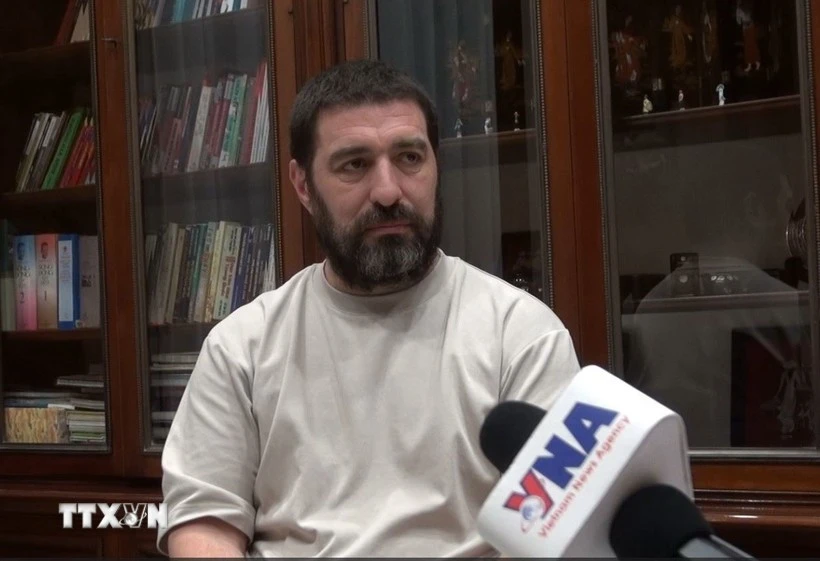
Trong cuộc phỏng vấn với phóng viên Thông tấn xã Việt Nam tại Buenos Aires, ông Gaston Fiorda cho biết, không giống như hầu hết các nghiên cứu của phương Tây tập trung vào Chiến tranh Việt Nam, cuốn sách này tập trung vào giai đoạn chuyển tiếp khó khăn sau khi đất nước thống nhất, tập trung vào cách Việt Nam hàn gắn vết thương chiến tranh, khôi phục nền kinh tế quốc gia và từng bước tiến tới cải cách sau chiến tranh.
Theo ông, công trình này là kết quả của gần 7 năm nghiên cứu tiến sĩ và đã nhận được sự hỗ trợ từ nhiều tổ chức ở Việt Nam và Argentina, trong đó có Đại sứ quán Việt Nam tại Argentina, Đại sứ quán Argentina tại Việt Nam, Liên hiệp các tổ chức hữu nghị Việt Nam (VUFO), Trường Đại học Khoa học Xã hội và Nhân văn thuộc Đại học Quốc gia Hà Nội.
Vào cuối năm 2023, dựa trên dự án hợp tác giữa Đại học Buenos Aires và Đại học Khoa học Xã hội và Nhân văn Quốc gia Hà Nội, tác giả đã tiến hành nghiên cứu thực địa trong nhiều tháng tại Việt Nam, rà soát một cách có hệ thống một số lượng lớn tài liệu lưu trữ và thông tin chính thức, đồng thời phỏng vấn hàng chục nhân chứng lịch sử ở Hà Nội, Huế, Điện Biên Phủ và Thành phố Hồ Chí Minh.
Giai đoạn nghiên cứu chủ yếu tập trung vào giai đoạn từ giải phóng miền Nam, thống nhất đất nước năm 1975 đến khi triệu tập Đại hội đại biểu toàn quốc lần thứ VI của Đảng Cộng sản Việt Nam năm 1986. Tuy chỉ mới 11 năm nhưng đã đánh dấu một giai đoạn lịch sử hết sức quan trọng trong lịch sử hiện đại của Việt Nam.
Để khôi phục lại kết cấu lịch sử của giai đoạn này, tác giả đã phỏng vấn hơn 20 cựu chiến binh, anh hùng LLVT nhân dân, cán bộ cách mạng và những người từng trải qua thời kỳ thống nhất đất nước. Đồng thời, ông hệ thống hóa các tài liệu của Trung ương Đảng Cộng sản Việt Nam, tài liệu báo chí và một số lượng lớn tài liệu, phân tích sâu sắc logic diễn biến của chính sách chính trị, kinh tế, xã hội, văn hóa của Việt Nam trong thời kỳ này.
Ông Gaston Fiorda thừa nhận động lực nghiên cứu chủ đề này trong thời gian dài xuất phát từ sự tò mò sâu sắc về việc Việt Nam đã vươn lên từ đống đổ nát của một đất nước bị chiến tranh tàn phá, cơ sở hạ tầng gần như bị san bằng và môi trường sinh thái xuống cấp nghiêm trọng như thế nào để trở thành một hình mẫu phát triển được quốc tế công nhận.
Ông nhấn mạnh cuốn sách không chỉ là nghiên cứu lịch sử mà còn hy vọng truyền tải được tiếng nói của người dân Việt Nam tới Argentina và toàn bộ khu vực Mỹ Latinh. Trong một thời gian dài, hầu hết các câu chuyện về Chiến tranh Việt Nam trong thế giới nói tiếng Tây Ban Nha đều được chắt lọc qua góc nhìn của người châu Âu và người Mỹ. Kinh nghiệm và sự hiểu biết thực sự của người dân Việt Nam về thống nhất đất nước và tái thiết sau chiến tranh luôn thiếu sự trình bày một cách có hệ thống.
Theo tác giả, đặc điểm lớn nhất của cuốn sách là nó phản ánh những bằng chứng tư liệu và ký ức truyền miệng của những người chứng kiến chiến tranh, bộc lộ qua những câu chuyện cá nhân sinh động rằng thống nhất đất nước không chỉ là một tiến trình chính trị mà còn là một quá trình tinh thần để hàng triệu người Việt Nam cùng nhau hàn gắn vết thương chiến tranh.
Ông đặc biệt đề cập đến quá khứ của một cựu chiến binh. Người lính này đã bị giết nhầm trong một trận chiến ác liệt - do điều kiện thời chiến nên các liệt sĩ thường phải chôn cất ngay. Tuy nhiên, một trận mưa như trút nước đã làm gián đoạn đám tang và người lính đã tỉnh lại một cách kỳ diệu. Sau khi bình phục, anh kiên quyết quay trở lại tiền tuyến. Tác giả cho rằng, đoạn này không chỉ phản ánh sự tàn khốc của chiến tranh mà còn phản ánh niềm tin không lay chuyển của nhân dân Việt Nam vào việc theo đuổi độc lập dân tộc, đoàn kết dân tộc.
Tác giả cũng đã phỏng vấn nguyên Phó Chủ tịch nước Việt Nam Trương Mỹ Hoa và nhiều nhân chứng lịch sử từng bị giam cầm tại Nhà tù Côn Đảo. Điều làm ông cảm động nhất không phải là những đau khổ đã qua mà là sự kiên cường gác lại nỗi đau, cống hiến hết mình cho sự nghiệp giải phóng dân tộc, thống nhất và xây dựng đất nước.
Ngoài ra, cách đối xử với nạn nhân chất độc da cam cũng để lại ấn tượng khó phai trong anh. Ông tin rằng, tổn thương chiến tranh vẫn còn rình rập trong nhiều gia đình Việt Nam, cho thấy hòa bình không có nghĩa là chấm dứt mọi đau thương.
Nói về vai trò của Đảng Cộng sản Việt Nam trong lịch sử hiện đại, Fiorda cho biết, qua nghiên cứu, ông cảm nhận sâu sắc kể từ khi thành lập Đảng năm 1930, Đảng Cộng sản Việt Nam luôn giữ được tính nhất quán cao độ trong các mục tiêu chiến lược và đóng vai trò trụ cột trong các nút thắt lịch sử lớn như Cách mạng tháng Tám năm 1945, Chiến thắng Điện Biên Phủ năm 1954, thống nhất đất nước năm 1975 và tái thiết sau chiến tranh.
Theo quan điểm của ông, cuộc thử nghiệm thực sự bắt đầu chính xác sau khi chiến tranh kết thúc. Trước những khó khăn đan xen như khoảng cách phát triển giữa miền Bắc và miền Nam, phong tỏa kinh tế, xung đột biên giới và siêu lạm phát, Đảng Cộng sản Việt Nam đã thể hiện khả năng điều chỉnh chính sách theo hướng thực dụng, linh hoạt và thích ứng.
Đặc biệt, việc tiên phong thực hiện công cuộc cải cách năm 1986 đã tạo nên một bước ngoặt chiến lược quan trọng trong lịch sử phát triển của Việt Nam. Nó không chỉ tuân thủ các mục tiêu cơ bản là độc lập dân tộc và phát triển đất nước mà còn liên tục đổi mới các ý tưởng phát triển, cải thiện các chính sách kinh tế và xã hội, thể hiện trí tuệ chiến lược có tầm nhìn xa. Chính sự kết hợp hữu cơ giữa quyết tâm chiến lược và khả năng thích ứng đã đặt nền móng vững chắc cho những thành tựu của Việt Nam ngày nay.
Ông Gaston Fiorda cho biết, theo như ông được biết, đây là luận án tiến sĩ đầu tiên ở Argentina lấy đề tài quá trình thống nhất đất nước Việt Nam từ năm 1975 đến năm 1986, và cũng có thể là thành tựu học thuật đầu tiên ở toàn bộ khu vực Mỹ Latinh khai thác một cách có hệ thống chủ đề này. Trường Đại học Khoa học Xã hội và Nhân văn thuộc Đại học Quốc gia Hà Nội cũng cho biết, đây là lần đầu tiên trường tham gia một dự án nghiên cứu tiến sĩ hợp tác tại châu Mỹ Latinh.
Tác giả hy vọng cuốn sách này sẽ giúp độc giả nói tiếng Tây Ban Nha có cái nhìn ba chiều hơn về Việt Nam đương đại - không chỉ hiểu cuộc đấu tranh anh dũng của nhân dân Việt Nam vì độc lập, tự do, mà còn hiểu họ đã vượt qua bao trở ngại để hoàn thành sứ mệnh tái thiết và phát triển đất nước, và cuối cùng trở thành cầu nối học thuật thúc đẩy hiểu biết lẫn nhau và giao lưu văn hóa giữa nhân dân Việt Nam, Argentina và Mỹ Latinh. (qua)
Từ Vựng Trọng Tâm Trong Bài (466)
讲述HSK 7
[jiǎng shù]
to talk about; to narrate; to give an account
崛起HSK 7
[jué qǐ]
to rise abruptly (to a towering position); to tower over; to spring up; to emerge suddenly; the emergence (e.g. of a power)
之HSK 7
[zhī]
(possessive particle, literary equivalent of 的); him; her; it
路HSK 1
[Lù]
surname Lu
解读HSK 7
[jiě dú]
to decipher; to decode; to interpret
全HSK 2
[Quán]
surname Quan
页HSK 1
[xié]
head
视为HSK 5
[shì wéi]
to view as; to see as; to consider to be; to deem
界HSK 6
[jiè]
(bound form) boundary; border; (bound form) realm
考察HSK 4
[kǎo chá]
to inspect; to observe and study; on-the-spot investigation
window; opening providing restricted access (e.g. customer service window); computer operating system window; fig. medium; intermediary; showpiece; testing ground
接受HSK 2
[jiē shòu]
to accept; to receive
社HSK 5
[shè]
(bound form) society; organization; agency; (old) god of the land
记者HSK 3
[jì zhě]
reporter; journalist
多数HSK 2
[duō shù]
majority; most
聚HSK 4
[jù]
to congregate; to assemble; to mass; to gather together; to amass; to polymerize
焦HSK 7
[Jiāo]
surname Jiao
西方HSK 2
[Xī fāng]
the West; the Occident; Western countries
不同HSK 2
[bù tóng]
different; distinct; not the same; not alike
重心HSK 7
[zhòng xīn]
center of gravity; central core; main part
置HSK 7
[zhì]
to install; to place; to put; to buy
艰难HSK 5
[jiān nán]
difficult; hard; challenging
转型HSK 7
[zhuǎn xíng]
to undergo fundamental change; to transition; to transform; to update (to a new model of product)
着力HSK 7
[zhuó lì]
to put effort into sth; to try really hard
修复HSK 5
[xiū fù]
to restore; to renovate; (computing) to repair (a corrupted file etc)
恢复HSK 5
[huī fù]
to reinstate; to resume; to restore; to recover; to regain; to rehabilitate
国民HSK 5
[guó mín]
nationals; citizens; people of a nation
逐步HSK 4
[zhú bù]
progressively; step by step
迈HSK 7
[mài]
to take a step; to stride
向HSK 2
[Xiàng]
surname Xiang
介绍HSK 1
[jiè shào]
to introduce (sb to sb); to give a presentation; to present (sb for a job etc); introduction
作品HSK 3
[zuò pǐn]
work (of art); opus
凝聚HSK 7
[níng jù]
to condense; to coagulate; coacervation (i.e. form tiny droplets); aggregation; coherent
近HSK 2
[jìn]
near; close to; approximately
七HSK 1
[qī]
seven; 7
获得HSK 4
[huò dé]
to obtain; to receive; to get
包括HSK 4
[bāo kuò]
to comprise; to include; to involve; to incorporate; to consist of
驻HSK 6
[zhù]
to halt; to stay; to be stationed (of troops, diplomats etc)
大使馆HSK 3
[dà shǐ guǎn]
embassy
友好HSK 2
[Yǒu hǎo]
Youhao district of Yichun city 市, Heilongjiang
组织HSK 5
[zǔ zhī]
to organize; organization; (biology) tissue; (textiles) weave
联合HSK 3
[lián hé]
to combine; to join; unite; alliance
会HSK 1
[huì]
can; to have the skill; to know how to; to be likely to; to be sure to; to meet; to get together; meeting; gathering; (suffix) union; group; association; (bound form) a moment (Taiwan pr. [huǐ])
to be in favor of; to support; to back; support; backing; to stand by
年底HSK 3
[nián dǐ]
the end of the year; year-end
依据HSK 5
[yī jù]
according to; basis; foundation
布HSK 3
[bù]
variant of 布; to announce; to spread
利HSK 6
[Lì]
surname Li
开展HSK 3
[kāi zhǎn]
to launch; to develop; to unfold; (of an exhibition etc) to open
为期HSK 5
[wéi qī]
(to be done) by (a certain date); lasting (a certain time)
实地HSK 7
[shí dì]
on-site
调研HSK 6
[diào yán]
to investigate and research; research; investigation
查HSK 2
[Zhā]
surname Zha
档案HSK 6
[dàng àn]
file; record; archive
官方HSK 4
[guān fāng]
government; official (approved or issued by an authority)
顺HSK 6
[shùn]
to obey; to follow; to arrange; to make reasonable; along; favorable
化HSK 3
[huā]
variant of 花
市HSK 2
[shì]
market; city
十HSK 1
[shí]
ten; 10
时段HSK 7
[shí duàn]
time interval; work shift; time slot; the twelve two-hour divisions of the day
主要HSK 2
[zhǔ yào]
main; principal; major; primary
集中HSK 3
[jí zhōng]
to concentrate; to centralize; to focus; centralized; concentrated; to put together
南方HSK 2
[nán fāng]
south; the southern part of the country; the South
六HSK 1
[liù]
six; 6
召开HSK 4
[zhào kāi]
to convene (a conference or meeting); to convoke; to call together
之间HSK 4
[zhī jiān]
(after a noun) between; among; amid; (used after certain bisyllabic words to form expressions indicating a short period of time, e.g. 弹指之间)
尽管HSK 5
[jǐn guǎn]
despite; although; even though; in spite of; unhesitatingly; do not hesitate (to ask, complain etc); (go ahead and do it) without hesitating
仅HSK 3
[jǐn]
barely; only; merely
短HSK 2
[duǎn]
short; brief; to lack; weak point; fault
却HSK 4
[què]
old variant of 却
极为HSK 7
[jí wéi]
extremely; exceedingly
关键HSK 5
[guān jiàn]
crucial point; crux; key; crucial; pivotal
期HSK 3
[qī]
variant of 期; period; cycle
还原HSK 7
[huán yuán]
to restore to the original state; to reconstruct (an event); reduction (chemistry)
阶段HSK 4
[jiē duàn]
stage; section; phase; period
理HSK 6
[lǐ]
texture; grain (of wood); inner essence; intrinsic order; reason; logic; truth; science; natural science (esp. physics); to manage; to pay attention to; to run (affairs); to handle; to put in order; to tidy up
余HSK 7
[Yú]
surname Yu
退HSK 3
[tuì]
to retreat; to withdraw; to reject; to return (sth); to decline
军人HSK 5
[jūn rén]
serviceman; soldier; military personnel
武装HSK 7
[wǔ zhuāng]
arms; equipment; to arm; military; armed (forces)
力量HSK 3
[lì liang]
power; force; strength
英雄HSK 6
[yīng xióng]
hero
干部HSK 7
[gàn bù]
cadre; official; officer; manager
同时HSK 2
[tóng shí]
at the same time; simultaneously
中央HSK 5
[zhōng yāng]
central; middle; center; central authorities (of a state)
great amount; large quantity; bulk; numerous; generous; magnanimous
展开HSK 3
[zhǎn kāi]
to unfold; to spread out; to open up; to launch; to carry out
梳理HSK 7
[shū lǐ]
to comb; fig. to sort out
深入HSK 3
[shēn rù]
to penetrate deeply; thorough
时期HSK 6
[shí qī]
period; phase
文化HSK 3
[wén huà]
culture; civilization; cultural
演HSK 3
[yǎn]
to develop; to evolve; to practice; to perform; to play; to act
进HSK 1
[jìn]
to go forward; to advance; to go in; to enter; to put in; to submit; to take in; to admit; (math.) base of a number system; classifier for sections in a building or residential compound
逻辑HSK 5
[luó ji]
logic (loanword)
长期HSK 3
[cháng qī]
long term; long time; long range (of a forecast)
动力HSK 3
[dòng lì]
motive power; force; (fig.) motivation; impetus
源于HSK 7
[yuán yú]
has its origins in
从HSK 1
[cóng]
variant of 从
火HSK 3
[Huǒ]
surname Huo
满HSK 2
[Mǎn]
Manchu ethnic group
设施HSK 4
[shè shī]
facilities; installation
几乎HSK 4
[jī hū]
almost; nearly; practically
平HSK 2
[Píng]
surname Ping
生态HSK 7
[shēng tài]
ecology
环境HSK 3
[huán jìng]
environment; circumstances; surroundings; ambient
严重HSK 4
[yán zhòng]
grave; serious; severe; critical
恶化HSK 7
[è huà]
to worsen
废墟HSK 7
[fèi xū]
ruins
升HSK 3
[shēng]
to ascend; to rise to the rank of; to promote; to hoist; liter; measure for dry grain equal to one-tenth dou 斗
国际HSK 2
[guó jì]
international
公认HSK 5
[gōng rèn]
publicly known (to be); accepted (as)
典范HSK 7
[diǎn fàn]
model; example; paragon
深HSK 3
[shēn]
old variant of 深
层HSK 2
[céng]
to pile on top of one another; layer; stratum; floor (of a building); story; (math.) sheaf; classifier for layers
好奇HSK 3
[hào qí]
inquisitive; curious; inquisitiveness; curiosity
强调HSK 3
[qiáng diào]
to emphasize (a statement); to stress
项HSK 4
[Xiàng]
surname Xiang
希望HSK 3
[xī wàng]
to hope; a hope; a wish
自己HSK 2
[zì jǐ]
oneself; one's own
声音HSK 2
[shēng yīn]
voice; sound
传递HSK 5
[chuán dì]
to transmit; to pass on to sb else; (math.) transitive
长期以来HSK 7
[cháng qī yǐ lái]
for a long time
西班牙语HSK 6
[Xī bān yá yǔ]
Spanish language
世界HSK 3
[shì jiè]
world
有关HSK 6
[yǒu guān]
to have sth to do with; to relate to; related to; to concern; concerning
事HSK 1
[shì]
matter; thing; item; work; affair
大多HSK 4
[dà duō]
for the most part; many; most; the greater part; mostly
经HSK 7
[Jīng]
surname Jing
由HSK 3
[yóu]
to follow; from; because of; due to; by; via; through; (before a noun and a verb) it is for ... to ...
视角HSK 7
[shì jiǎo]
angle from which one observes an object; (fig.) perspective; viewpoint; frame of reference; (cinematography) camera angle; (visual perception) visual angle (the angle a viewed object subtends at the eye); (photography) angle of view
过滤HSK 7
[guò lǜ]
to filter; filter
民众HSK 7
[mín zhòng]
the populace; the masses; the common people
对HSK 1
[duì]
right; correct; towards; at; for; concerning; regarding; to treat (sb a certain way); to face; (bound form) opposite; facing; matching; to match together; to adjust; to fit; to suit; to answer; to reply; to add; to pour in (a fluid); to check; to compare; classifier: couple; pair
和HSK 1
[hé]
old variant of 和
真实HSK 3
[zhēn shí]
true; real
经历HSK 3
[jīng lì]
experience; to experience; to go through
缺乏HSK 5
[quē fá]
to lack; to be short of
呈现HSK 7
[chéng xiàn]
to appear; to emerge; to present (a certain appearance); to demonstrate
书HSK 1
[Shū]
abbr. for 书经
特色HSK 3
[tè sè]
characteristic; distinguishing feature or quality
在于HSK 4
[zài yú]
to be in; to lie in; to consist in; to depend on; to rest with
将HSK 5
[jiāng]
will; shall; to use; to take; to checkmate; just a short while ago; (introduces object of main verb, used in the same way as 把)
文献HSK 7
[wén xiàn]
document
考HSK 1
[kǎo]
to beat; to hit; variant of 考; to inspect; to test; to take an exam
亲HSK 3
[qīn]
parent; one's own (flesh and blood); relative; related; marriage; bride; close; intimate; in person; first-hand; in favor of; pro-; to kiss; (Internet slang) dear
口HSK 1
[kǒu]
mouth; classifier for things with mouths (people, domestic animals, cannons, wells etc); classifier for bites or mouthfuls
记忆HSK 5
[jì yì]
to remember; to recall; memory
鲜活HSK 7
[xiān huó]
vivid; lively; (of food ingredients) live or fresh
个体HSK 4
[gè tǐ]
individual
故事HSK 2
[gù shì]
old practice
揭示HSK 7
[jiē shì]
to show; to make known
政治HSK 4
[zhèng zhì]
politics; political
更是HSK 6
[gèng shì]
even more (so)
数HSK 2
[shǔ]
to count; to count as; to regard as; to enumerate; to list
百HSK 1
[Bǎi]
surname Bai
万HSK 2
[mò]
used in 俟
人HSK 1
[rén]
person; people
共同HSK 3
[gòng tóng]
common; joint; jointly; together; collaborative
愈HSK 7
[yù]
the more...(the more...); to recover; to heal; better
unusual; special; very; especially; particularly; expressly; for a specific purpose; (often followed by 是) in particular
提到HSK 2
[tí dào]
to mention; to raise (a subject); to refer to
老HSK 1
[lǎo]
prefix used before the surname of a person or a numeral indicating the order of birth of the children in a family or to indicate affection or familiarity; old (of people); venerable (person); experienced; of long standing; always; all the time; of the past; very; outdated; (of meat etc) tough
兵HSK 4
[bīng]
soldiers; a force; an army; weapons; arms; military; warlike
往事HSK 7
[wǎng shì]
past events; former happenings
被HSK 3
[bèi]
quilt; to cover (with); (literary) to suffer (a misfortune); used to indicate passive voice (placed before the doer of the action like "by" in English passive-voice sentences, or, if the doer is not mentioned, before the verb); (since c. 2009) (sarcastic or jocular) used to indicate that the following word should be regarded as being in air quotes (as in 被旅游 to "go on a trip", for example)
误HSK 6
[wù]
mistake; error; to miss; to harm; to delay; to neglect; mistakenly
判HSK 6
[pàn]
to judge; to sentence; to discriminate; to discern; clearly distinguishable
牺牲HSK 6
[xī shēng]
to sacrifice one's life; to sacrifice (sth valued); beast slaughtered as a sacrifice
threshing floor; classifier for events and happenings: spell, episode, bout
盆HSK 5
[pén]
basin; flower pot; unit of volume equal to 12 斗 and 8 升, approx 128 liters
暴雨HSK 6
[bào yǔ]
torrential rain; rainstorm
打断HSK 6
[dǎ duàn]
to interrupt; to break off; to break (a bone)
葬礼HSK 7
[zàng lǐ]
burial; funeral
名HSK 2
[míng]
name; noun (part of speech); place (e.g. among winners); famous; classifier for people
战士HSK 4
[zhàn shì]
fighter; soldier; warrior
竟HSK 7
[jìng]
unexpectedly; actually; to go so far as to; indeed
奇迹HSK 7
[qí jì]
miracle; miraculous; wonder; marvel
苏醒HSK 7
[sū xǐng]
to come to; to awaken; to regain consciousness
康复HSK 6
[kāng fù]
to recuperate; to recover (health); to convalesce
毅然HSK 7
[yì rán]
firmly; resolutely; without hesitation
重返HSK 7
[chóng fǎn]
to return to
前线HSK 7
[qián xiàn]
front line; military front; workface; cutting edge
个HSK 1
[gě]
used in 自个儿
片段HSK 7
[piàn duàn]
fragment (of speech etc); extract (from book etc); episode (of story etc)
映HSK 7
[yìng]
to reflect (light); to shine; to project (an image onto a screen etc)
照HSK 3
[zhào]
variant of 照; to shine; to illuminate
残酷HSK 6
[cán kù]
cruel; cruelty
折射HSK 7
[zhé shè]
to refract; refraction; to reflect (in the figurative sense: to show the nature of)
追求HSK 4
[zhuī qiú]
to pursue (a goal etc) stubbornly; to seek after; to woo
可HSK 5
[kě]
(prefix) can; may; able to; -able; to approve; to permit; to suit; (particle used for emphasis) certainly; very
动摇HSK 4
[dòng yáo]
to sway; to waver; to rock; to rattle; to destabilize; to pose a challenge to
信念HSK 5
[xìn niàn]
faith; belief; conviction
还HSK 1
[Huán]
surname Huan
采访HSK 4
[cǎi fǎng]
to interview; to gather news; to hunt for and collect; to cover
原HSK 6
[Yuán]
surname Yuan; (Japanese surname) Hara
副HSK 6
[fù]
secondary; auxiliary; deputy; assistant; vice-; abbr. for 副词 adverb; classifier for pairs, sets of things & facial expressions
主席HSK 4
[zhǔ xí]
chairperson; premier; chairman
张HSK 3
[Zhāng]
surname Zhang
多HSK 1
[duō]
many; much; too many; in excess; (after a numeral) ... odd; how (to what extent) (Taiwan pr. [duó]); (bound form) multi-; poly-
位HSK 2
[wèi]
position; location; place; seat; classifier for people (honorific); classifier for binary bits (e.g. 十六位 16-bit or 2 bytes); (physics) potential
曾HSK 4
[Zēng]
surname Zeng
岛HSK 6
[dǎo]
variant of 岛
监狱HSK 7
[jiān yù]
prison
见证HSK 7
[jiàn zhèng]
to be witness to; witness; evidence
令HSK 5
[líng]
used in 令; used in 狐 (Taiwan pr. [lìng])
最HSK 1
[zuì]
variant of 最
动HSK 1
[dòng]
(of sth) to move; to set in movement; to displace; to touch; to make use of; to stir (emotions); to alter; abbr. for 动词, verb
并非HSK 7
[bìng fēi]
really isn't
曾经HSK 3
[céng jīng]
once; already; former; previously; ever; (past tense marker used before verb or clause)
苦难HSK 7
[kǔ nàn]
suffering
而是HSK 4
[ér shì]
rather
放下HSK 2
[fàng xià]
to lay down; to put down; to let go of; to relinquish; to set aside; to lower (the blinds etc)
投身HSK 7
[tóu shēn]
to throw oneself into sth
解放HSK 5
[jiě fàng]
to liberate; to emancipate; liberation; refers to the Communists' victory over the Nationalists in 1949
建设HSK 3
[jiàn shè]
to build; to construct; to establish; to develop; to institute
那HSK 1
[Nā]
surname Na
份HSK 2
[fèn]
classifier for gifts, newspaper, magazine, papers, reports, contracts etc; variant of 分
坚韧HSK 7
[jiān rèn]
tough and durable; tenacious
此外HSK 4
[cǐ wài]
besides; in addition; moreover; furthermore
橙HSK 6
[chéng]
orange tree; orange (color)
剂HSK 7
[jì]
dose (medicine)
受害HSK 7
[shòu hài]
to suffer damage, injury etc; damaged; injured; killed; robbed
者HSK 3
[zhě]
(after a verb or adjective) one who (is) ...; (after a noun) person involved in ...; -er; -ist; (used after a number or 后 or 前 to refer to sth mentioned previously); (used after a term, to mark a pause before defining the term); (old) (used at the end of a command); (old) this
遭遇HSK 6
[zāo yù]
to meet with; to encounter; (bitter) experience
给HSK 1
[gěi]
to; for; for the benefit of; to give; to allow; to do sth (for sb); (grammatical equivalent of 被); (grammatical equivalent of 把); (sentence intensifier)
留下HSK 2
[liú xià]
to leave behind; to stay behind; to remain; to keep; not to let (sb) go
难以HSK 5
[nán yǐ]
hard to (predict, imagine etc)
磨HSK 6
[mó]
to rub; to grind; to polish; to sharpen; to wear down; to die out; to waste time; to pester; to insist
灭HSK 6
[miè]
to extinguish or put out; to go out (of a fire etc); to exterminate or wipe out; to drown
印象HSK 3
[yìn xiàng]
impression (sth that stays in one's mind); a memory
认为HSK 2
[rèn wéi]
to believe; to think; to consider; to feel
创伤HSK 7
[chuāng shāng]
wound; injury; trauma
至今HSK 3
[zhì jīn]
so far; to this day; until now
仍HSK 3
[réng]
still; yet; to remain; (literary) frequently; often
许多HSK 2
[xǔ duō]
many; a lot of; much
家庭HSK 2
[jiā tíng]
family; household
之中HSK 5
[zhī zhōng]
inside; among; in the midst of (doing sth); during
着HSK 1
[zhāo]
(chess) move; trick; all right!; (dialect) to add
和平HSK 3
[Hé píng]
Heping District of Shenyang city 沈阳市, Liaoning; Heping or Hoping Township in Taichung County 台中县, Taiwan
不HSK 1
[bù]
no; not so; (bound form) not; un-
等于HSK 2
[děng yú]
to equal; to be tantamount to
一切HSK 3
[yī qiè]
everything; every; all
伤HSK 3
[shāng]
to injure; injury; wound
痛HSK 3
[tòng]
ache; pain; sorrow; deeply; thoroughly
已HSK 3
[yǐ]
already; to stop; then; afterwards
终结HSK 7
[zhōng jié]
end; conclusion; to come to an end; to terminate (sth)
谈HSK 3
[Tán]
surname Tan
现代HSK 3
[Xiàn dài]
Hyundai, South Korean company
角色HSK 4
[jué sè]
role; character in a novel; persona; also pr. [jiǎo sè]
通过HSK 2
[tōng guò]
to pass through; to get through; to adopt (a resolution); to pass (legislation); to pass (a test); by means of; through; via
深切HSK 7
[shēn qiè]
deeply felt; heartfelt; sincere; honest
感受HSK 3
[gǎn shòu]
to sense; perception; to feel (through the senses); to experience; a feeling; an impression; an experience
到HSK 1
[dào]
to reach; to arrive; to leave for; to go to; to (a place); until (a time); up to (a point); (verb complement indicating arriving at a place or reaching a point); considerate; thoughtful; thorough
自HSK 4
[zì]
self; oneself; from; since; naturally; surely
建HSK 3
[jiàn]
to establish; to found; to set up; to build; to construct
以来HSK 3
[yǐ lái]
since (a previous event)
始终HSK 3
[shǐ zhōng]
from beginning to end; all along
保持HSK 3
[bǎo chí]
to keep; to maintain; to hold; to preserve
高度HSK 5
[gāo dù]
height; altitude; elevation; high degree; highly
连HSK 3
[Lián]
surname Lian
八HSK 1
[bā]
eight; 8
月HSK 1
[yuè]
moon; month; monthly
革命HSK 7
[gé mìng]
to withdraw the mandate of heaven (and transition to a new dynasty) (original meaning); revolution; revolutionary; to revolt (against sb or sth); to revolutionize (sth); (separable verb sometimes used in the pattern 革noun的命)
big; large; great; older (than another person); eldest (as in 姐); greatly; freely; fully; (dialect) father; (dialect) uncle (father's brother)
后HSK 1
[Hòu]
surname Hou
重大HSK 3
[zhòng dà]
great; important; major; significant
历史HSK 4
[lì shǐ]
history
关节HSK 7
[guān jié]
joint (physiology); key point; critical phase
点HSK 1
[diǎn]
point; dot; drop; speck; o'clock; point (in space or time); to draw a dot; to check on a list; to choose; to order (food in a restaurant); to touch briefly; to hint; to light; to ignite; to pour a liquid drop by drop; (old) one fifth of a two-hour watch 更; dot stroke in Chinese characters; classifier for items
发挥HSK 4
[fā huī]
to display; to exhibit; to bring out implicit or innate qualities; to express (a thought or moral); to develop (an idea); to elaborate (on a theme)
中HSK 1
[Zhōng]
China; Chinese; surname Zhong
流HSK 2
[liú]
to flow; to disseminate; to circulate or spread; to move or drift; to degenerate; to banish or send into exile; stream of water or sth resembling one; class, rate or grade
作用HSK 2
[zuò yòng]
to act on; to affect; action; function; activity; impact; result; effect; purpose; intent; (suffix) -ation, -tion etc, as in 用, inhibition
在HSK 1
[zài]
to exist; to be alive; (of sb or sth) to be (located) at; (used before a verb to indicate an action in progress)
他HSK 1
[tā]
he; him (used for either sex when the sex is unknown or unimportant); (used before sb's name for emphasis); (used as a meaningless mock object); (literary) other
看来HSK 4
[kàn lai]
apparently; it seems that
真正HSK 2
[zhēn zhèng]
genuine; real; true; really; indeed
考验HSK 3
[kǎo yàn]
to test; to put to the test; trial; ordeal
恰恰HSK 6
[qià qià]
exactly; just; precisely
于HSK 6
[Yú]
surname Yu
战争HSK 4
[zhàn zhēng]
war; conflict
结束HSK 3
[jié shù]
termination; to finish; to end; to conclude; to close
之后HSK 4
[zhī hòu]
after; behind; (at the beginning of a sentence) afterwards; since then
面对HSK 3
[miàn duì]
to face; to confront
南北HSK 5
[nán běi]
north and south; north to south
落差HSK 7
[luò chā]
drop in elevation; (fig.) gap (in wages, expectations etc); disparity
封锁HSK 7
[fēng suǒ]
to blockade; to seal off; to lock down
边境HSK 5
[biān jìng]
frontier; border
冲突HSK 5
[chōng tū]
conflict; to conflict; clash of opposing forces; collision (of interests); contention
to go through; to know well; (suffix) expert; to connect; to communicate; open; to clear; classifier for letters, telegrams, phone calls etc
胀HSK 7
[zhàng]
to swell; dropsical; swollen; bloated
等HSK 1
[děng]
class; rank; grade; equal to; same as; to wait for; to await; et cetera; and so on; et al. (and other authors); after; as soon as; once
交HSK 2
[jiāo]
to hand over; to deliver; to pay (money); to turn over; to make friends; to intersect (lines); variant of 跤
织HSK 6
[zhī]
to weave
困境HSK 7
[kùn jìng]
predicament; plight
共HSK 4
[gòng]
common; general; to share; together; total; altogether; abbr. for 共产党, Communist party
产HSK 7
[chǎn]
to give birth; to reproduce; to produce; product; resource; estate; property
党HSK 6
[Dǎng]
surname Dang
务实HSK 7
[wù shí]
pragmatic; dealing with concrete issues
灵活HSK 6
[líng huó]
flexible; nimble; agile
因HSK 6
[yīn]
old variant of 因
时HSK 3
[shí]
old variant of 时
调HSK 3
[diào]
to transfer; to move (troops or cadres); to investigate; to enquire into; accent; view; argument; key (in music); mode (music); tune; tone; melody
尤其HSK 5
[yóu qí]
especially; particularly
革新HSK 6
[gé xīn]
to innovate; innovation
事业HSK 3
[shì yè]
undertaking; project; activity; (charitable, political or revolutionary) cause; publicly funded institution, enterprise or foundation; career; occupation
开创HSK 6
[kāi chuàng]
to initiate; to start; to found
性HSK 3
[xìng]
nature; character; property; quality; attribute; sexuality; sex; gender; suffix forming adjective from verb; suffix forming noun from adjective, corresponding to -ness or -ity; essence
启动HSK 5
[qǐ dòng]
to start (a machine); (fig.) to set in motion; to launch (an operation); to activate (a plan)
构成HSK 4
[gòu chéng]
to constitute; to form; to compose; to make up; to configure (computing)
上HSK 1
[shǎng]
used in 上声
里程碑HSK 7
[lǐ chéng bēi]
milestone
式HSK 5
[shì]
type; form; pattern; style
转折HSK 7
[zhuǎn zhé]
shift in the trend of events; turnaround; plot shift in a book; turn in the conversation
既HSK 4
[jì]
already; since; both... (and...)
坚守HSK 7
[jiān shǒu]
to hold fast to; to stick to
民族HSK 3
[mín zú]
nationality; ethnic group
根本HSK 3
[gēn běn]
fundamental; basic; root; simply; absolutely (not); (not) at all
目标HSK 3
[mù biāo]
target; goal; objective
又HSK 2
[yòu]
(once) again; also; both... and...; and yet; (used for emphasis) anyway
不断HSK 3
[bù duàn]
unceasing; uninterrupted; continuous; constant
刷新HSK 7
[shuā xīn]
to renovate; to refurbish; to refresh (computer window); to write a new page (in history); to break (a record)
思路HSK 7
[sī lù]
line of thought; way of thinking
完善HSK 3
[wán shàn]
(of systems, facilities etc) comprehensive; well-developed; excellent; to refine; to improve
经济HSK 3
[jīng jì]
economy; economic
政策HSK 6
[zhèng cè]
policy
展现HSK 5
[zhǎn xiàn]
to unfold before one's eyes; to emerge; to reveal; to display
出HSK 1
[chū]
to go out; to come out; to occur; to produce; to go beyond; to rise; to put forth; to happen; (used after a verb to indicate an outward direction or a positive result); classifier for dramas, plays, operas etc
富有HSK 6
[fù yǒu]
rich; wealthy; affluent; to be rich in; to be replete with
远见HSK 7
[yuǎn jiàn]
foresight; discernment; vision
智慧HSK 6
[zhì huì]
wisdom; knowledge; intelligent; intelligence
正是HSK 2
[zhèng shì]
is precisely
种HSK 3
[zhǒng]
seed; species; kind; type; classifier for types, kinds, sorts
战略HSK 6
[zhàn lu:è]
strategy
定HSK 4
[dìng]
to set; to fix; to determine; to decide; to order
力HSK 3
[Lì]
surname Li
应HSK 4
[Yīng]
surname Ying; Taiwan pr. [Yìng]
变HSK 2
[biàn]
to change; to become different; to transform; to vary; rebellion
能力HSK 3
[néng lì]
capability; ability
有机HSK 7
[yǒu jī]
organic
结合HSK 3
[jié hé]
to combine; to link; to integrate; binding
今日HSK 5
[jīn rì]
today
成就HSK 3
[chéng jiù]
accomplishment; success; achievement; to achieve (a result); to create; to bring about
to stop; to pause; to arrange; to lay out; to kowtow; to stamp (one's foot); at once; classifier for meals, beatings, scoldings etc: time, bout, spell, meal
先生HSK 1
[xiān sheng]
teacher; gentleman; sir; mister (Mr.); husband; (dialect) doctor
据HSK 6
[jù]
variant of 据
其HSK 5
[qí]
his; her; its; their; that; such; it (refers to sth preceding it)
所HSK 3
[suǒ]
actually; place; classifier for houses, small buildings, institutions etc; that which; particle introducing a relative clause or passive
以HSK 7
[yǐ]
old variant of 以
至HSK 5
[zhì]
to arrive; most; to; until
年HSK 1
[Nián]
surname Nian
统一HSK 4
[tǒng yī]
to unify; to integrate; unified; integrated
进程HSK 7
[jìn chéng]
course of events; process
选HSK 2
[xuǎn]
to choose; to pick; to select; to elect
题HSK 2
[Tí]
surname Ti
论文HSK 4
[lùn wén]
paper; treatise; thesis; to discuss a paper or thesis (old)
the Great Learning, one of the Four Books 四书 in Confucianism
亦HSK 7
[yì]
also
表示HSK 4
[biǎo shì]
to express; to show; to say; to state; to indicate; to mean
是HSK 1
[shì]
to be (followed by substantives only); correct; right; true; (respectful acknowledgement of a command) very well; (adverb for emphatic assertion)
该HSK 2
[gāi]
should; ought to; probably; must be; to deserve; to owe; to be sb's turn to do sth; that; the above-mentioned
首次HSK 6
[shǒu cì]
first; first time; for the first time
参与HSK 4
[cān yù]
to participate (in sth)
地区HSK 3
[dì qū]
local; regional; district (not necessarily formal administrative unit); region; area; as suffix to city name, means prefecture or county (area administered by a prefecture-level city or, county-level city)
博士HSK 5
[bó shì]
doctor; court academician (in feudal China); Ph.D.
研究HSK 4
[yán jiū]
research; a study; to research; to look into
项目HSK 4
[xiàng mù]
item; project; (sports) event
合作HSK 3
[hé zuò]
to cooperate; to collaborate; to work together; cooperation
作者HSK 3
[zuò zhě]
author; writer
期待HSK 4
[qī dài]
to look forward to; to await; expectation
这HSK 1
[zhè]
(pronoun) this; these; (bound form) this; the (followed by a noun); (bound form) this; these (followed by a classifier) (in this sense, commonly pr. [zhèi], esp. in Beijing)
部HSK 3
[bù]
ministry; department; section; part; division; troops; board; classifier for works of literature, films, machines etc
著作HSK 4
[zhù zuò]
to write; literary work; book; article; writings
能HSK 1
[Néng]
surname Neng
帮助HSK 2
[bāng zhù]
assistance; aid; to help; to assist
西HSK 1
[Xī]
the West; abbr. for Spain 牙; Spanish
读者HSK 3
[dú zhě]
reader
立体HSK 7
[lì tǐ]
three-dimensional; solid; stereoscopic
地HSK 1
[de]
-ly; structural particle: used before a verb or adjective, linking it to preceding modifying adverbial adjunct
认知HSK 7
[rèn zhī]
cognition; cognitive; understanding; perception; awareness; to be cognizant of; to recognize; to realize
当代HSK 5
[dāng dài]
the present age; the contemporary era
不仅HSK 3
[bù jǐn]
not just; not limited to; (as a correlative conjunction) not only (..., but also ...)
了解HSK 4
[liǎo jiě]
to understand; to realize; to find out
为HSK 2
[wéi]
as (in the capacity of); to take sth as; to act as; to serve as; to behave as; to become; to be; to do; by (in the passive voice)
争取HSK 3
[zhēng qǔ]
to fight for; to strive for; to win over
独立HSK 4
[dú lì]
independent; independence; to stand alone
自由HSK 2
[zì yóu]
freedom; liberty; free; unrestricted
而HSK 4
[ér]
and; as well as; and so; but (not); yet (not); (indicates causal relation); (indicates change of state); (indicates contrast)
进行HSK 2
[jìn xíng]
to advance; to conduct; underway; in progress; to do; to carry out; to carry on; to execute
英勇HSK 4
[yīng yǒng]
heroic; gallant; valiant
抗争HSK 7
[kàng zhēng]
to resist; to make a stand and fight (against)
更HSK 2
[gēng]
to change or replace; to experience; one of the five two-hour periods into which the night was formerly divided; watch (e.g. of a sentry or guard)
他们HSK 1
[tā men]
they
如何HSK 3
[rú hé]
how; what way; what
重HSK 1
[chóng]
to repeat; repetition; again; re-; classifier: layer
险HSK 6
[xiǎn]
danger; dangerous; rugged
完成HSK 2
[wán chéng]
to complete; to accomplish
国家HSK 1
[guó jiā]
country; nation; state
重建HSK 6
[chóng jiàn]
to rebuild; to reestablish; reconstruction; rebuilding
发展HSK 3
[fā zhǎn]
development; growth; to develop; to grow; to expand
使命HSK 7
[shǐ mìng]
mission; long-term task to which one devotes oneself; a calling
并HSK 3
[bìng]
and; furthermore; also; together with; (not) at all; simultaneously; to combine; to join; to merge
最终HSK 6
[zuì zhōng]
final; ultimate
成为HSK 2
[chéng wéi]
to become; to turn into
一HSK 1
[yī]
one; single; a (article); as soon as; entire; whole; all; throughout; "one" radical in Chinese characters (Kangxi radical 1); also pr. [yāo] for greater clarity when spelling out numbers digit by digit
座HSK 2
[zuò]
seat; base; stand; (archaic) suffix used in a respectful form of address, e.g. 师座; classifier for buildings, mountains and similar immovable objects
促进HSK 4
[cù jìn]
to promote (an idea or cause); to advance; boost
越HSK 2
[Yuè]
generic word for peoples or states of south China or south Asia at different historical periods; abbr. for Vietnam 越南
南HSK 1
[Nán]
surname Nan
根HSK 4
[gēn]
root; basis; classifier for long slender objects, e.g. cigarettes, guitar strings; radical (chemistry)
及HSK 7
[jí]
and; to reach; up to; in time for
拉HSK 2
[lā]
to pull; to play (a bowed instrument); to drag; to draw; to chat; (coll.) to empty one's bowels
美HSK 3
[Měi]
(bound form) the Americas (abbr. for 洲); (bound form) USA (abbr. for 美国)
各HSK 3
[gè]
each; every
国HSK 1
[Guó]
surname Guo
人民HSK 3
[rén mín]
the people
相互HSK 3
[xiāng hù]
each other; mutual
理解HSK 3
[lǐ jiě]
to comprehend; to understand
与HSK 6
[yú]
variant of 欤
人文HSK 7
[rén wén]
humanities; human affairs; culture
交流HSK 3
[jiāo liú]
to exchange; exchange; communication; interaction; to have social contact (with sb)
的HSK 1
[de]
of; ~'s (possessive particle); (used after an attribute); (used to form a nominal expression); (used at the end of a declarative sentence for emphasis); also pr. [dì] or [di] in poetry and songs
Nhà báo Argentina viết sách về sự trỗi dậy sau chiến tranh của Việt Nam, diễn giải quá trình thống nhất và phát triển từ góc nhìn Mỹ Latinh - Đọc Báo Song Ngữ Trung - Việt | Lenguro